
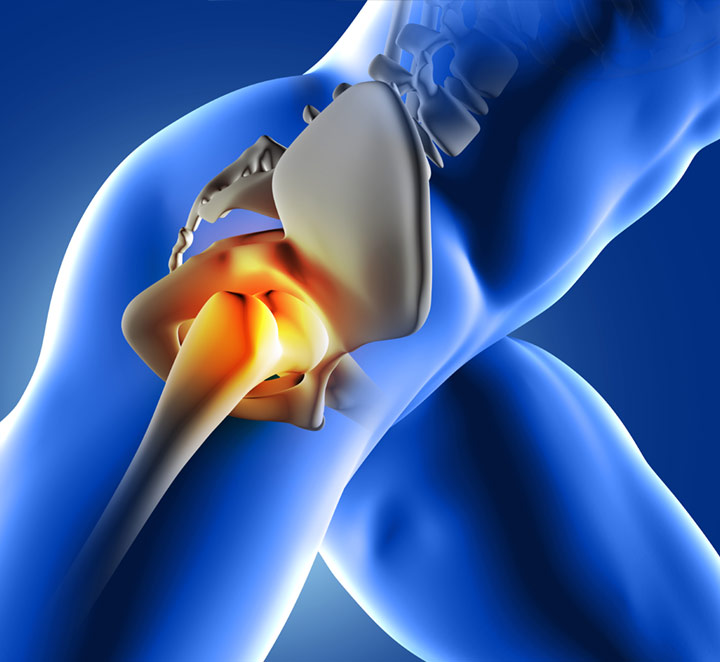
Bone avulsion is a medical condition that occurs when one of the bones in the body, usually at a joint, experiences a rupture or separation from the bone. This separation happens when a traumatic force, such as a fall, sports accident, or direct trauma, exerts excessive pressure on a ligament or tendon, tearing away a small part of the bone to which it is attached.
The key characteristics of bone avulsion include:
Location: Bone avulsion generally occurs near joints, where tendons and ligaments attach to bones. It can occur in the fingers, wrists, ankles, elbows, shoulders, or even hips.
Causes: Bone avulsions most often result from acute trauma, such as falls, sports accidents, or violent impacts. Muscles and tendons suddenly stretch, exerting excessive traction on the bone and causing a rupture.
Symptoms: Typical symptoms of bone avulsion include intense pain, swelling, and loss of mobility in the affected area. The patient may also feel a sensation of deformity or joint instability.
Diagnosis: The diagnosis of a bone avulsion is generally based on symptoms, the history of the trauma, and medical imaging exams, such as X-rays or MRIs, to confirm the bone rupture.
Treatment: The management of bone avulsion depends on the severity of the injury. In some minor cases, conservative treatment, such as immobilization of the affected area and physiotherapy, may be sufficient to allow the bone to heal. In more severe cases, surgical intervention may be necessary to repair the damaged bone.
Rehabilitation: After treatment, rehabilitation plays an essential role in restoring strength, mobility, and function to the affected area. Physiotherapy is often recommended to help the patient fully recover.
For better visualization of the pathology, I invite you to click on the following link to access radiological images
It is essential to consult a healthcare professional in case of intense pain, swelling, or any other joint abnormality after trauma. Adequate medical evaluation will allow for an accurate diagnosis and determination of the most appropriate treatment for bone avulsion, with the ultimate goal of optimal patient recovery.