
Everything You Need to Know About Colorectal Cancer: A Guide for Patients and Families
In Switzerland, colorectal cancer is a relatively common disease, affecting about 4500 people each year. The majority of cases occur in people over 50, although the disease can also occur at younger ages. Statistics also indicate that colorectal cancer is slightly more common in men than in women. Prevention and early detection are essential to reduce the incidence and mortality related to this disease.
Definition
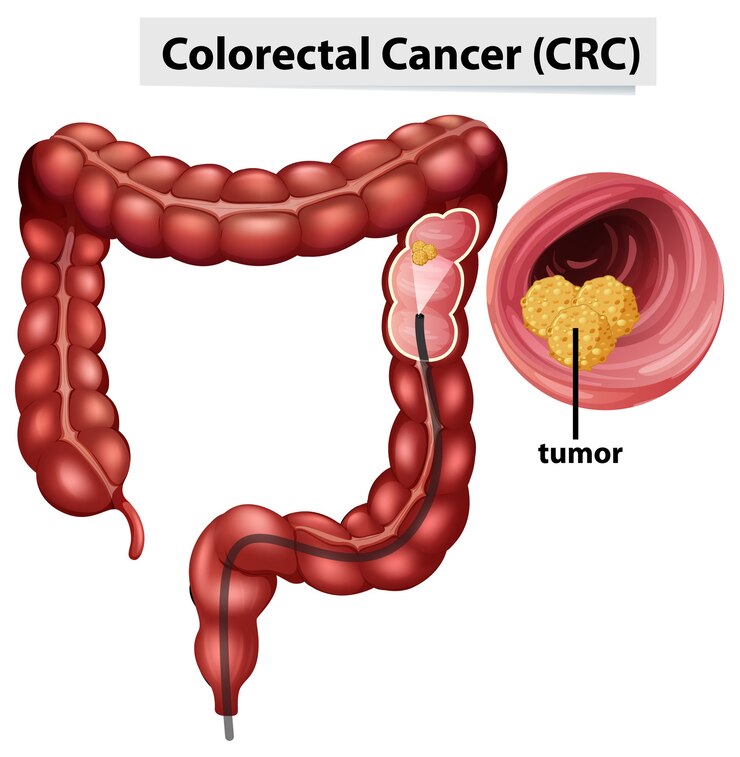
Colorectal cancer is a disease characterized by the uncontrolled growth of cancer cells in the colon or rectum, which are parts of the intestine. This abnormal cell growth can cause damage to surrounding tissues and may eventually spread to other organs in the body. The causes of colorectal cancer are multiple and complex, but may include genetic, environmental, and lifestyle factors. Early screening and treatment are essential to prevent the progression of the disease and improve the chances of recovery.
Symptoms of Colorectal Cancer
Symptoms can vary from person to person, but some common signs may be present in most patients with this disease. Among these symptoms are:
- Rectal bleeding or the presence of blood in the stool.
- Abdominal pain or abdominal cramps.
- Changes in bowel habits, such as persistent constipation or diarrhea.
- Unexplained weight loss.
- Chronic fatigue.
- Nausea or vomiting.
- Persistent flu-like states.
It is important to note that these symptoms can also be associated with other diseases, and only a doctor can make an accurate diagnosis and recommend appropriate treatments. If in doubt, do not hesitate to consult a healthcare professional for a complete evaluation.
Risk Factors for Colorectal Cancer
Risk factors are multiple and varied, ranging from genetic factors to lifestyle habits. Here are some of the most common factors:
- Age: the risk of developing colorectal cancer increases with age, with most cases occurring in people over 50.
- Family history: a family history of colorectal cancer can increase the risk.
- Lifestyle: a diet high in fats, excessive consumption of alcohol and red meat, smoking, and lack of physical activity can contribute to increased risks.
- Colorectal polyps: people with polyps in the colon or rectum are at higher risk of developing colorectal cancer.
- Other diseases: certain diseases such as Lynch syndrome, Crohn's disease, or ulcerative colitis can also increase the risk.
It is important to discuss your individual risk factors with your doctor and to get screened regularly to detect colorectal cancer at an early stage.
Medical Imaging Diagnosis of Colorectal Cancer
Medical imaging plays a crucial role in diagnosis by allowing visualization of internal structures and detection of abnormalities. Here are some of the most commonly used medical imaging techniques for diagnosing this type of cancer:
- Colonoscopy: this method involves using a thin tube equipped with a camera to explore the inside of the colon and rectum. If abnormal areas are found, tissue samples can be taken for analysis.
- PET scan: this test uses radioactive substances injected into the body to create 3D images. It helps locate cancerous areas and see if the cancer has spread.
- MRI: this non-invasive technique uses a magnetic field and radio waves to produce detailed images of internal tissues. It helps assess the spread of cancer to surrounding tissues and lymph nodes.
- CT scan: this test uses X-rays to create detailed images of the inside of the body. It can be used to assess the size and location of the tumor and to see if the cancer has invaded surrounding tissues.
These different imaging methods help doctors diagnose colorectal cancer, determine its severity, and develop an appropriate treatment plan.
Prevention of Colorectal Cancer
To prevent colorectal cancer, there are several measures you can take, even if you are not a doctor. Here are some recommendations:
- Engage in regular physical activity: exercising regularly can help reduce the risk of developing cancer.
- Adopt a healthy diet: a diet rich in fiber, fruits, and vegetables can help reduce the risk of colorectal cancer. Avoid fatty foods, red meats, and processed products.
- Limit alcohol consumption: excessive consumption of alcohol and sugary drinks can increase the risk of colorectal cancer.
- Do not smoke: smoking is a significant risk factor for colorectal cancer.
- Get regular screenings: this is one of the best ways to detect colorectal cancer early. Screening can be done by colonoscopy, blood test, or stool test.
In conclusion, although the exact causes of this pathology are not yet fully understood, prevention is essential to reduce risks. By adopting a healthy lifestyle, exercising, eating healthily, limiting alcohol and sugary drink consumption, and not smoking, you can reduce your risk of colorectal cancer. Additionally, regular screening is very important to detect colorectal cancer early and increase your chances of recovery.
Conclusion
Colorectal cancer is a serious disease that affects many people worldwide. Fortunately, there are preventive measures that can be taken to reduce the risk of developing this disease.
A healthy lifestyle, with a balanced diet, regular physical activity, limiting alcohol and sugary drink consumption, and quitting smoking are all choices that can contribute to better health and effective prevention.
Moreover, regular screening is essential to detect colorectal cancer early and thus increase the chances of treatment and recovery. By taking care of our health and being vigilant about potential signs of this disease, we can collectively fight against colorectal cancer.