
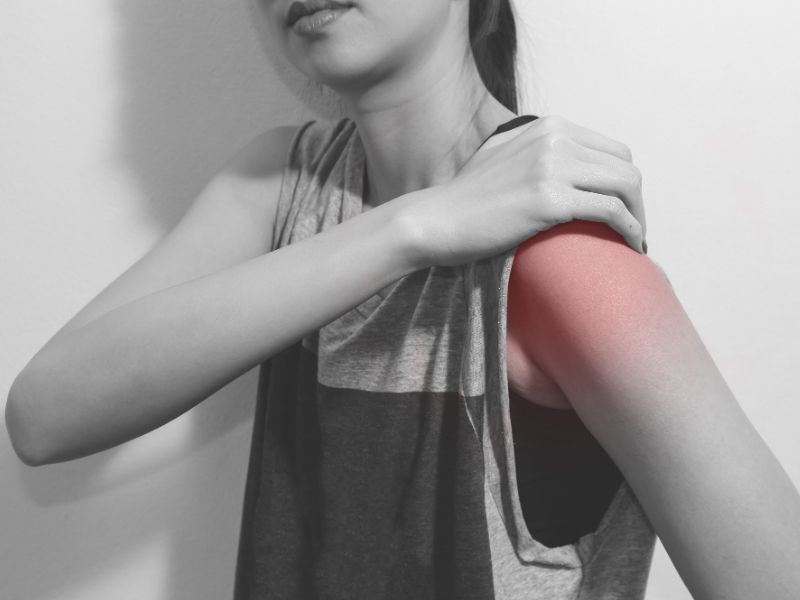
Adhesive Capsulitis: Understanding and Overcoming this Painful Condition
Adhesive capsulitis, commonly known as "frozen shoulder," is a painful and limiting medical condition that often affects shoulder mobility. It is characterized by inflammation and thickening of the shoulder joint capsule, leading to progressive stiffness and loss of movement. Understanding its causes, symptoms, and available treatment options is essential for those affected.
Cause and FactorsThe exact cause of adhesive capsulitis often remains unknown, although several factors may contribute to its development. These frequently include previous shoulder trauma, injuries, pre-existing medical conditions such as diabetes, and even prolonged periods of immobility.
SymptomsThe symptoms of adhesive capsulitis develop gradually and are divided into three distinct phases:
- Painful phase: Moderate to intense pain accompanies shoulder movements. This pain may worsen at night, disrupting sleep.
- Stiffness phase: Joint stiffness progressively increases, significantly limiting shoulder mobility. Simple tasks become difficult to perform.
- Recovery phase: Mobility begins to return, although it may take several months or more than a year to regain full range of motion.
The diagnosis of adhesive capsulitis generally relies on a thorough physical examination, analysis of the patient's medical history, and specific tests to assess the shoulder's range of motion. X-rays or MRIs are also sometimes prescribed to rule out other possible causes of shoulder pain and stiffness.
For a better visualization of the pathology, I invite you to click on the following link to access radiological images.
TreatmentSeveral treatment options are available to relieve the symptoms of adhesive capsulitis and restore shoulder mobility:
- Medications: Pain relievers and anti-inflammatories can help reduce pain and inflammation.
- Physical therapy: Specific exercises and physiotherapy sessions may be recommended. This helps stretch and strengthen the shoulder muscles, thus improving mobility.
- Injections: Corticosteroid injections directly into the shoulder joint help reduce inflammation.
- Surgery: In the most severe cases resistant to other treatments, surgery is considered to release the joint capsule.
Adhesive capsulitis can be a debilitating condition, but proper management can significantly improve symptoms and restore shoulder functionality.
It is crucial to consult a healthcare professional for an accurate diagnosis and a treatment plan tailored to each specific case. With patience and appropriate therapeutic approaches, recovery is often possible for those suffering from this painful condition.