
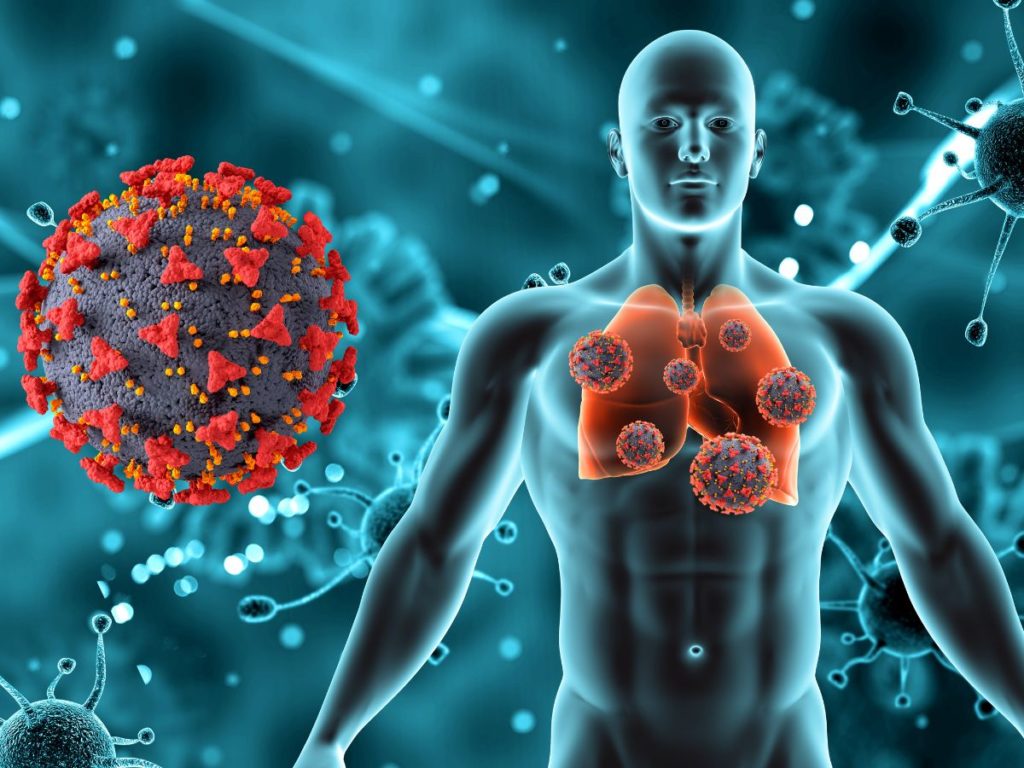
In the context of the global COVID-19 pandemic, it is essential to understand this pathology in all its aspects, including symptoms, causes, and the crucial role of radiological diagnosis.
Symptoms of COVID-19
COVID-19, caused by the SARS-CoV-2 virus, can present a variety of symptoms, ranging from mild signs to severe complications. Common symptoms include fever, cough, loss of taste or smell, fatigue, sore throat, and nasal congestion. In more severe cases, respiratory difficulties and pneumonia are observed.
Causes and Transmission
SARS-CoV-2 spreads mainly through respiratory droplets and direct contact. The causes of the severity of the disease are complex and may involve factors such as age, comorbidities, and immune status. Understanding these factors is essential to assess risk and management.
Radiological Diagnosis of COVID-19
Radiological imaging, particularly chest computed tomography (CT), plays a fundamental role in the diagnosis of COVID-19. Images can reveal characteristic ground-glass opacities, resulting from inflammation of lung tissue. CT also makes it possible to assess the severity of lesions and guide therapeutic decisions.
For a better visualization of the pathology, I invite you to click on the following link to access radiological images
Importance of Radiology in Management
Radiology is not limited to diagnosis. It plays an essential role in monitoring patients with COVID-19, making it possible to follow the evolution of lung lesions over time. This monitoring is crucial for adapting therapeutic strategies and assessing response to treatment.
A complete understanding of COVID-19, its symptoms, its causes, and its radiological diagnosis is fundamental to fighting this pandemic. Compliance with preventive measures, such as wearing a mask and social distancing, remains the best line of defense. Continued research and medical collaboration are essential to face this global crisis.