
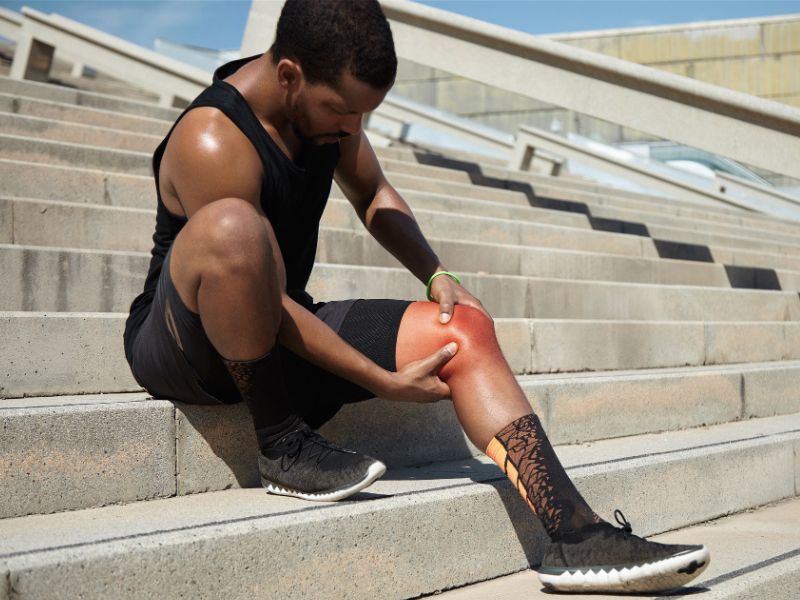
Enthesopathy is a group of conditions that affect the areas where tendons and ligaments attach to bones. These areas are crucial for movement and stability of the body. When they are subject to inflammation or injuries, such as traumatic injuries, it leads to pain and reduced functionality.
Causes and Factors of Calcifying Enthesopathy:
Several factors can contribute to the development of calcifying enthesopathy:
- Overuse or overload: Excessive repetition of movements or intense physical activities can "stress" the entheses.
- Injuries or trauma: Direct injuries or repeated microtraumas can damage the entheses.
- Medical conditions: Diseases like ankylosing spondylitis, psoriatic arthritis, or other inflammatory conditions can increase the risk of enthesopathy.
Symptoms of Enthesopathy:
Symptoms can vary depending on the affected area, but common signs include:
- Local pain: Usually at the site where the tendon or ligament attaches to the bone.
- Stiffness or reduced joint mobility, limiting normal movements.
- Swelling or hypersensitivity: Local inflammation can lead to these symptoms.
Screening for Enthesopathy:
The diagnosis of enthesopathy often involves a thorough physical examination to assess painful areas, with detailed knowledge of the patient's medical-surgical history. Imaging techniques such as ultrasound or MRI are used to confirm the diagnosis and assess the extent of the lesions.
For a better visualization of the pathology, I invite you to click on the following link to access radiological images.
Treatment of Calcifying Enthesopathy:
The treatment of enthesopathy aims to relieve pain and improve the functionality of the affected joint. It may include:
- Rest and reduced activities: Reducing movements that worsen symptoms.
- Physical therapy: Exercises aimed at strengthening muscles and improving flexibility.
- Medications: Non-steroidal anti-inflammatory drugs (NSAIDs) to reduce inflammation and relieve pain.
- Complementary therapies: Such as physiotherapy, acupuncture, or the use of orthopedic supports.
In some severe or persistent cases, more advanced options such as corticosteroid injections or, in very rare situations, surgical intervention may be considered.
Enthesopathy can vary in severity and duration among individuals. It is crucial to consult a healthcare professional for an accurate diagnosis and a treatment plan tailored to each particular situation.
Early management and lifestyle modifications often contribute to a faster recovery and significant improvement in the quality of life for individuals with enthesopathy.