
Understanding Epiphysiolysis: Symptoms, Causes, Screening, and Treatments
Epiphysiolysis is an orthopedic condition that primarily occurs in adolescents during their growth phase. This condition arises when the epiphysis (end of a long bone) slips or partially detaches from the underlying bone. It often occurs at the hip, typically affecting the epiphysis of the femoral head.
Symptoms:
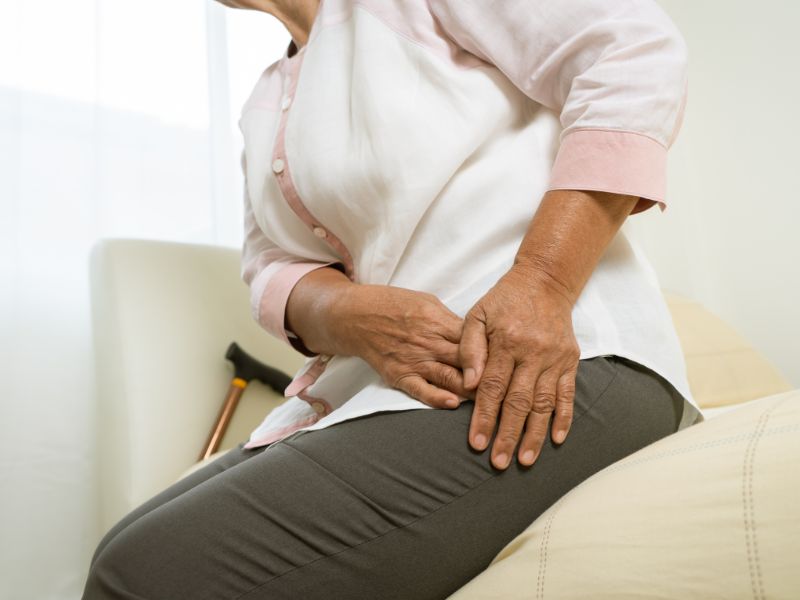
The symptoms of epiphysiolysis include hip or groin pain, limping, or difficulty bearing weight on the affected side. This slippage can be gradual or sudden, but early detection is important to prevent any future complications.
Causes/Risk Factors:
Several factors contribute to epiphysiolysis, including rapid growth during adolescence, hormonal issues, obesity, and pre-existing bone abnormalities. Adolescents experiencing a growth spurt are particularly at risk.
Screening:
Screening for epiphysiolysis is typically done through radiological exams, such as X-rays, which reveal any abnormal slippage of the epiphysis. Symptoms reported by the patient are also considered during diagnosis.
For a better visualization of the pathology, I invite you to click on the following link to access radiological images
Treatment:
Treatment for epiphysiolysis can vary depending on the severity of the condition. In mild cases, conservative measures such as rest, crutches, and close monitoring may be sufficient. However, more severe cases may require surgical intervention to stabilize the epiphysis and prevent further slippage.
It is essential to approach epiphysiolysis seriously as early diagnosis and management are crucial to avoid long-term complications, such as early hip osteoarthritis.
If you experience hip pain or difficulty walking, especially during the growth period, it is recommended to consult a healthcare professional for a thorough examination. Early screening can contribute to a better prognosis and more positive treatment outcomes for this orthopedic condition.