
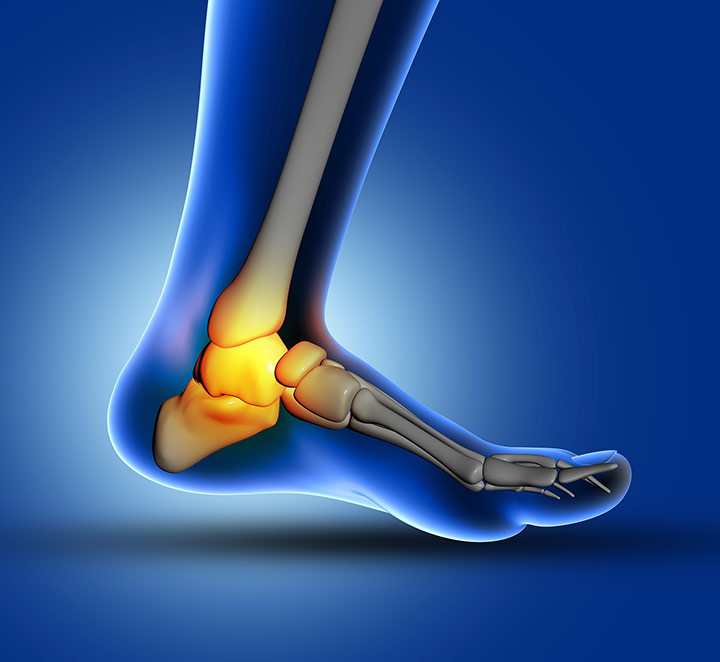
The calcaneus fracture, also known as a heel fracture, is a relatively common but often underestimated injury that affects the heel bone, the calcaneus. This injury can be painful and significantly impact a person's mobility.
Causes of Calcaneus Fracture: Calcaneus fractures are generally the result of significant traumatic force. Common causes include falls from a height, road accidents, or sports injuries. When someone falls significantly onto their feet or heels, the generated force can be sufficient to fracture the calcaneus.
Symptoms: Typical symptoms of a calcaneus fracture include intense heel pain, swelling, bruising, and difficulty walking. The pain may be aggravated by pressure or walking.
Diagnosis: The diagnosis of this fracture is based on a clinical evaluation and medical imaging exams, such as X-rays. The images allow the doctor to determine the severity of the fracture and plan appropriate treatment.
Treatments: Treatment depends on the severity of the fracture. In less severe cases, immobilization with a splint or cast may be sufficient. For more complex fractures, surgical intervention may be necessary to realign the bone fragments and securely fix the bone. After treatment, rehabilitation is often necessary to restore foot mobility and strength.
Possible Complications: Calcaneus fractures can lead to long-term complications, such as loss of ankle mobility, arthritis, or a change in gait. Therefore, adequate management and rehabilitation are essential to minimize these risks.
For a better visualization of the pathology, I invite you to click on the following link to access radiological images
It is important to consult a healthcare professional in case of persistent heel pain after trauma. Prompt medical evaluation and appropriate treatment can contribute to effective recovery and prevention of long-term complications.