
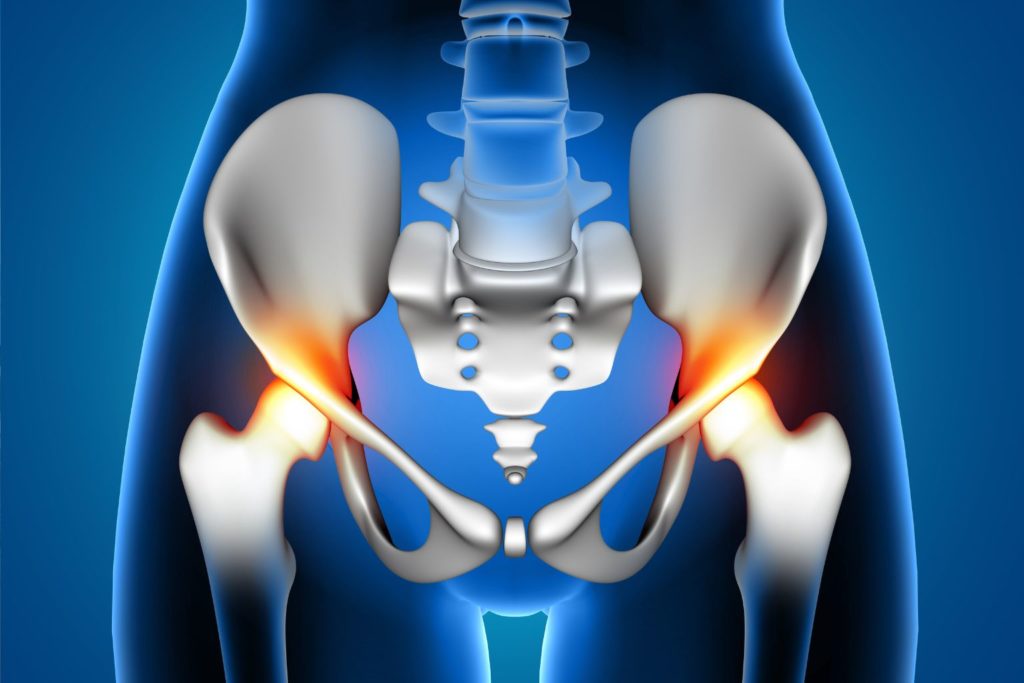
Aseptic necrosis of the hip, also known as Legg-Calvé-Perthes disease, is a complex medical condition that affects the hip, primarily in children, but sometimes also in adults. In this article, we will explore in detail the risk factors, causes, symptoms, screening, and treatment options for this debilitating pathology.
Risk Factors and Causes:
Aseptic necrosis of the hip is more common in boys than in girls, and it usually occurs in children aged 4 to 10 years. Risk factors include heredity, poor blood circulation in the hip, as well as other medical conditions such as sickle cell disease.
The main cause of aseptic necrosis of the hip is an interruption of blood supply to the femoral head, the upper part of the thigh bone. This lack of blood flow leads to the death of bone cells, which in turn weakens the bone structure.
Symptoms:
Symptoms of aseptic necrosis of the hip may develop gradually. Affected individuals may experience pain in the hip, thigh, or knee, as well as limping. The pain may worsen with physical activity and ease with rest. Hip movements may also become limited.
Screening:
The diagnosis of aseptic necrosis of the hip is based on a combination of clinical data, radiological examinations, and MRI. An X-ray can show signs of bone necrosis, while an MRI provides a more detailed image of the hip joint, allowing the doctor to confirm the diagnosis.
For a better visualization of the pathology, I invite you to click on the following link to access radiological images
Treatment Options
The treatment of aseptic necrosis of the hip depends on the patient's age and the stage of the disease. In children, the goal is to maintain the femoral head in place and promote its growth. For this, the doctor may recommend a surgical unloading procedure. This procedure involves altering the shape of the thigh bone to reduce pressure on the femoral head.
In adults, treatment generally aims to relieve pain and improve hip function. In more advanced cases, a hip prosthesis may be necessary.
In conclusion, aseptic necrosis of the hip is a complex medical condition that can significantly impact quality of life. Early detection and appropriate intervention are essential to minimize long-term complications. If you exhibit symptoms related to this condition, it is essential to consult a healthcare professional for a proper diagnosis and treatment plan.