
Definition of the pathology
Osteopenia refers to a reduction in bone density that is below normal, but not yet osteoporosis.
It indicates an increased risk of bone fractures in the future.
Bones become more fragile and less resistant to shocks or falls.
Causes of osteopenia
Osteopenia occurs when bone formation no longer compensates for natural bone degradation.
Aging, hormonal changes, and calcium deficiency contribute to this loss of bone density.
Certain chronic diseases and prolonged use of corticosteroids can also cause osteopenia.
Risk factors
Postmenopausal women are at high risk due to decreased estrogen levels.
A sedentary lifestyle weakens bones and increases the risk of osteopenia.
A diet low in calcium and vitamin D promotes the decrease in bone density.
Smoking and excessive alcohol also exacerbate bone mass loss.
Symptoms of osteopenia
Osteopenia is often asymptomatic, making it difficult to detect without a bone density test.
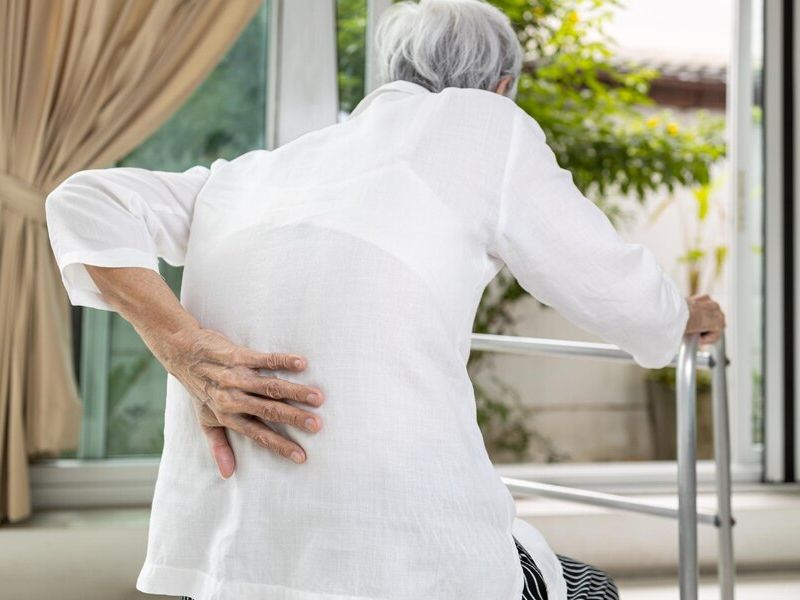
Individuals may sometimes discover their condition after a fracture caused by minor trauma. A loss of height or a stooped posture may also indicate bone fragility.
Radiological imaging
A bone densitometry (DEXA) measures bone mineral density and allows for the diagnosis of osteopenia.
Standard X-rays can show more translucent bones, indicating a loss of density.
Imaging also allows for monitoring the evolution of bone density over time.
Prevention of osteopenia
Adopt a diet rich in calcium and vitamin D to strengthen your bones.
Engage in regular resistance exercises to stimulate bone formation.
Avoid tobacco and limit alcohol consumption to protect your bone density.
Consult a doctor for early screening, especially if you have risk factors.
Conclusion
This pathology is a warning signal for bone health.
With preventive management, the risk of progression to osteoporosis can be reduced.
Simple measures can protect your bones and prevent fractures.
Source: UpToDate