
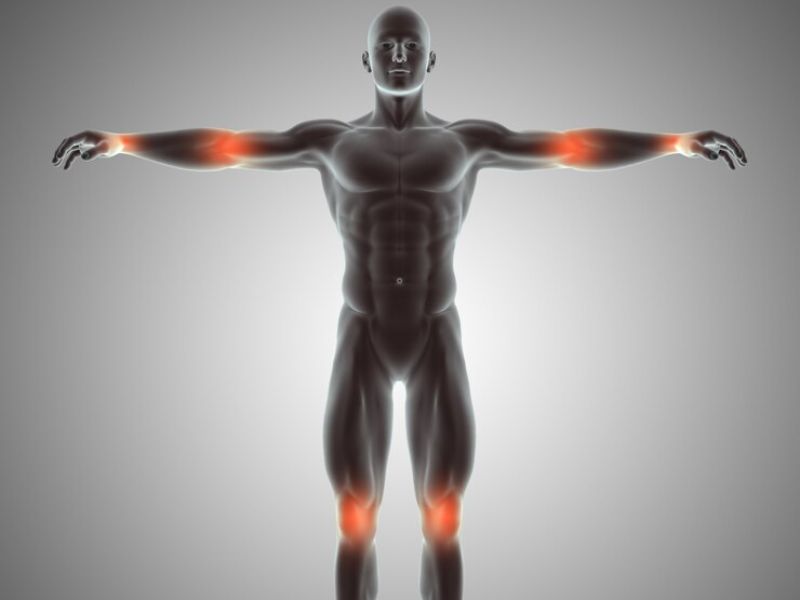
Definition of the pathology
Tendinopathy is a clinical syndrome characterized by chronic and localized pain in the tendons, exacerbated by mechanical stress. This condition is mainly due to overuse of the tendons, although metabolic factors may also play a role in its development.
Causes of tendinopathy
The main cause of tendinopathy is tendon overuse, which can lead to structural changes such as scarring or an incomplete healing response. Although a classic inflammatory reaction is rarely present in chronic cases, inflammatory elements are nonetheless involved in the tendon injury and healing process.
Risk factors
The risk factors for tendinopathy are divided into two main categories: intrinsic and extrinsic.
Intrinsic factors concern the characteristics of the tendon and individual healing capacity.
Among intrinsic factors are the quality of the tendon tissue and previous injury history.
Extrinsic factors are related to the mechanical load applied to the tendon.
Advanced age is a major intrinsic factor, reducing the tendon’s regenerative capacity.
An increase in the volume or intensity of tendon load is an important extrinsic factor. These excessive loads increase the risk of developing tendinopathy due to overuse. Poor sports technique can also increase stress on the tendons, raising the risk.
Prevention requires careful management of these factors to reduce the risk of tendinopathy.
Symptoms of tendinopathy
The main clinical signs of tendinopathy are pain felt during palpation of the affected tendon area and pain associated with tendon loading.
Radiological imaging
Tendinopathy due to overuse presents specific characteristics visible during imaging exams, notably by magnetic resonance imaging (MRI) or ultrasound. These characteristics include tendon thickening, abnormal tendon appearance, and increased blood flow in the affected area.
Prevention against tendinopathy
To prevent tendinopathy, carefully manage the load applied to your tendons by avoiding excessive and repetitive efforts. Regularly strengthen your muscles to support the tendons and reduce the stress they undergo. Be attentive to the first signs of tendon pain or discomfort and rest immediately to avoid worsening the situation. Adopt good technique in your physical activities and gradually increase the intensity of your workouts. Finally, integrate stretching and mobility exercises into your routine to maintain tendon flexibility.
Conclusion
Tendinopathy is a complex condition resulting from a combination of overuse and individual factors. A thorough understanding of the causes, risk factors, and clinical signs is essential for effective management, and medical imaging plays a key role in the diagnosis and monitoring of this pathology.
Source: UpToDate